The London Underground: the world’s first underground railway.
It began with steam trains in a brick-lined trench and grew into 11 lines and 272 stations. Along the way it gave the world the deep tube, a famous map and a famous sign, and sheltered Londoners through two wars. Every fact is linked to its source, and there is a quiz at the end.
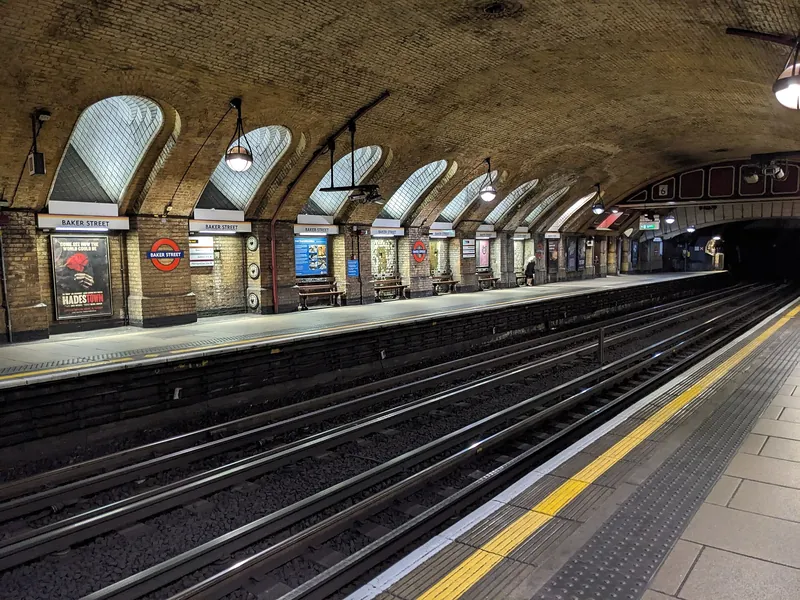
The short version
The world’s first underground railway opened in London in 1863, to ease the congestion in the streets. LT Museum, short history
The City & South London Railway, the world’s first deep-level electric railway, opened in November 1890, between King William Street in the City and Stockwell. LT Museum, Victorian
In 1933 all of London’s buses, trams, trolleybuses and Underground railways came under public ownership. LT Museum, short history
London Underground became part of Transport for London in 2003. TfL
Generations of Londoners have called it ‘the Tube’. TfL
Sources don’t always agree on the details, such as how long the first line was. Where they differ, we show each figure side by side.
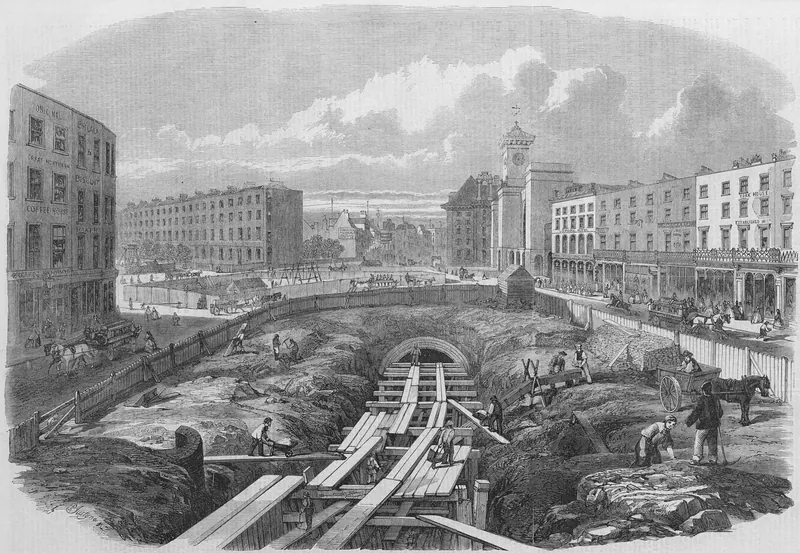
Explore
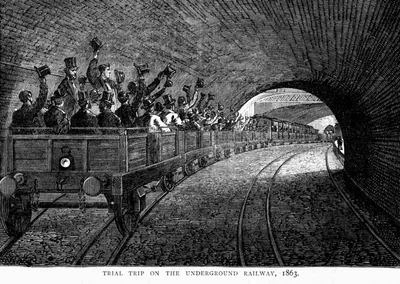 1863Steam under the streets.
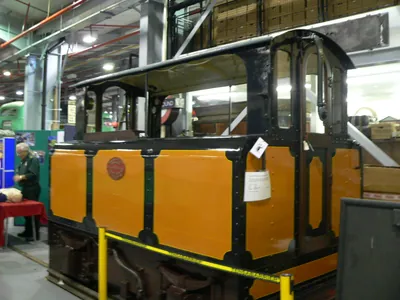 The deep tubesShields, iron rings and electric trains.
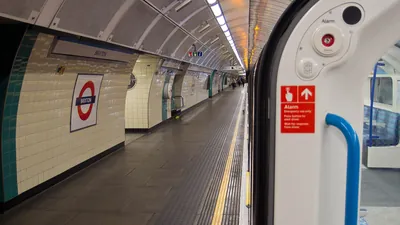 The linesFrom one line to eleven.
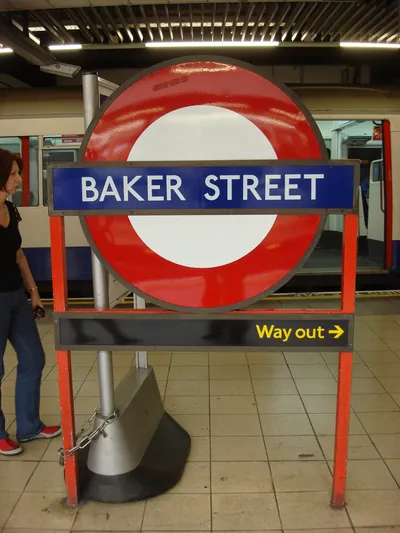 The mapHarry Beck’s straight lines.
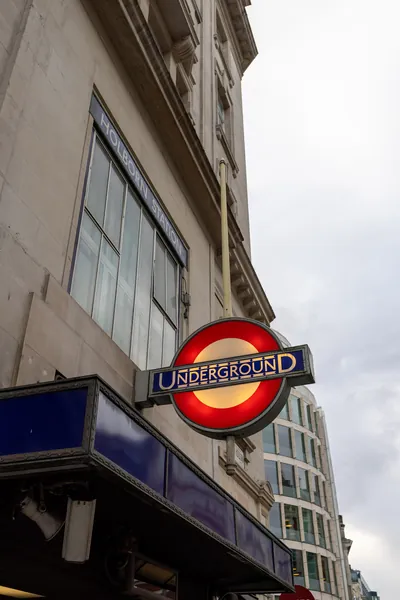 The roundelA red disc becomes a famous sign.
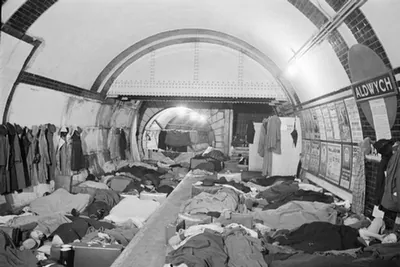 WartimeSleeping on the platforms.
Tile pictures are credited on their pages and on the credits page.
Try the games
A 12-question quiz, a myth-or-fact challenge, and a year dial that shows what the Underground was like in any year from 1863.